SW Stillwater Aqua Studio Aqua yoga · Floating · Breath
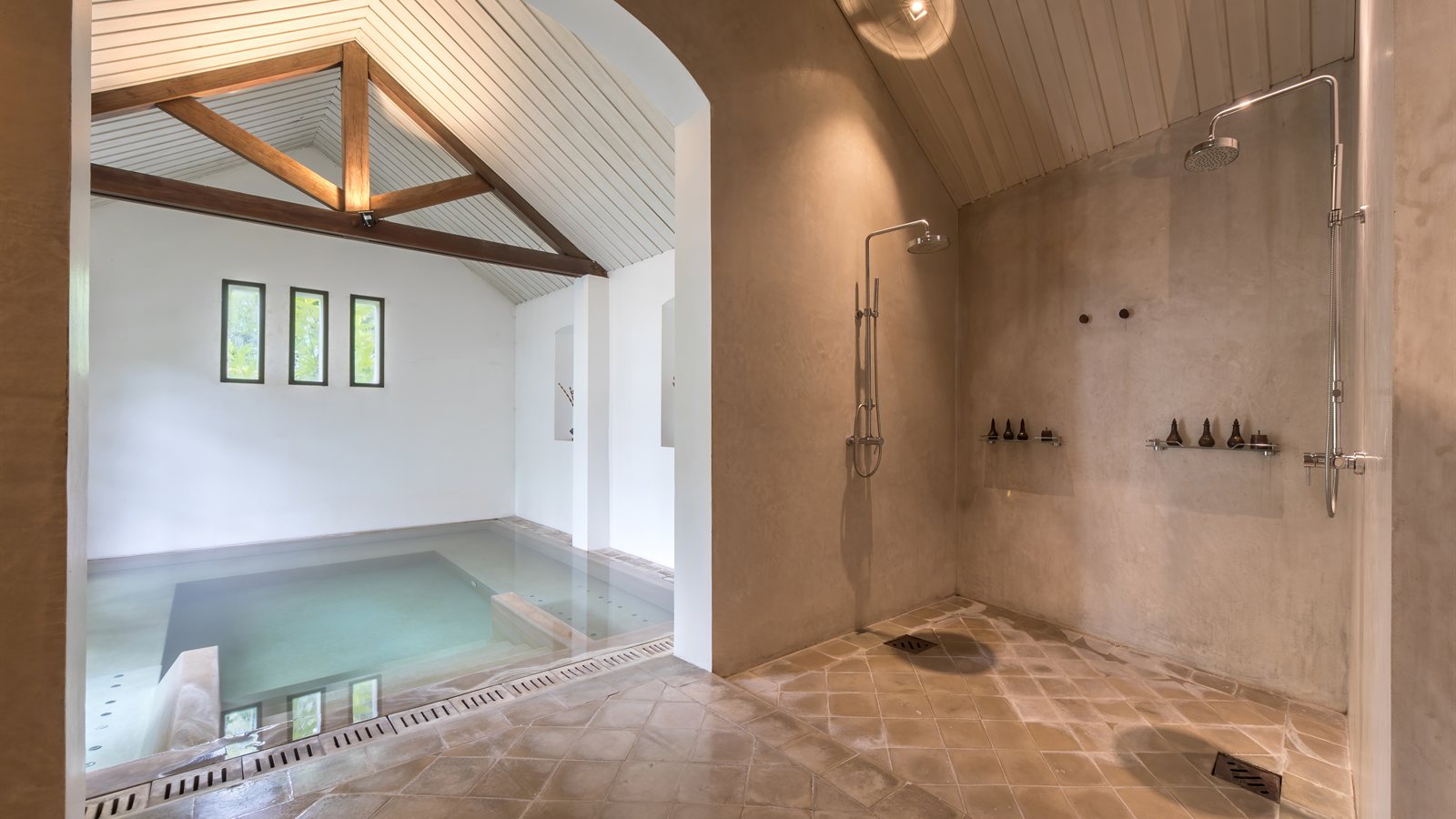
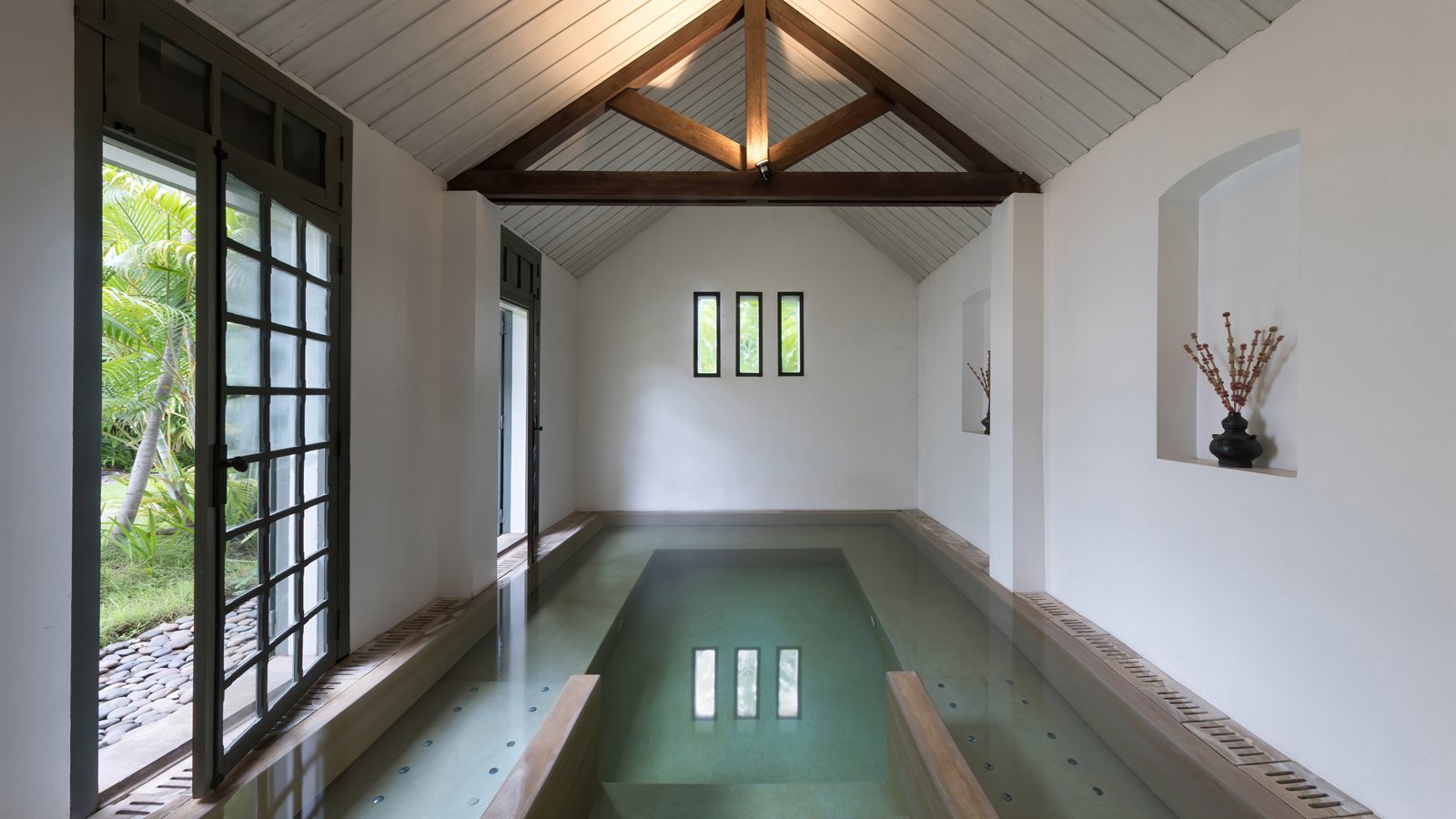
Long indoor pool in a white vaulted room with timber trusses

Water at 33 degrees · Twelve people maximum

Aqua Yoga and Meditation in Warm, Quiet Water

Warm water removes most of the reasons people give up on movement: it takes the load off joints, supports balance, lets a stiff spine move further than it can on land, and makes deep breathing easy rather than effortful. Our classes use two pools kept at thirty-three degrees, with floats, noodles, weights and wall bars, and a maximum of twelve people so the teacher can adjust each person individually. Sessions run from flowing aqua yoga to almost motionless floating meditation, and a good proportion of our members cannot swim.

About us

A Physiotherapist and a Yoga Teacher in a Warm Pool

The studio was started by a physiotherapist who worked in hydrotherapy and a yoga teacher whose classes were increasingly full of people who could no longer manage the floor. Both were sending clients to the same municipal pool and watching them give up because the water was twenty-six degrees, the lane next door was a swimming club and nobody was there to help someone with a stiff hip get out at the end. So they built two small warm pools and designed the classes around the people who had been failing elsewhere.

The water temperature is the foundation. At thirty-three degrees muscles relax rather than brace, joints move further, blood flow to the periphery increases and a person can stay still for twenty minutes without cooling — which is what makes floating meditation possible at all. It costs a great deal to heat and it is the reason we cannot simply hire lanes in an ordinary pool. Both pools are shallow enough to stand in throughout, with steps, a hoist and a handrail on every side.

Teaching is deliberately unhurried and non-performative. Nobody is asked to hold a posture they cannot breathe in, nothing is demonstrated as an ideal shape, and progress is measured in what a person can do getting out of a car rather than in the water. Classes are capped at twelve, teachers are in the water rather than pacing the side, and every new participant has a short conversation about their body before their first session so that adaptations are ready rather than improvised.

Spa pool with soft light and stone surround

Advantages

Why Water Works for People Land Classes Lose

Six things that make a warm pool the easiest place to start moving again.

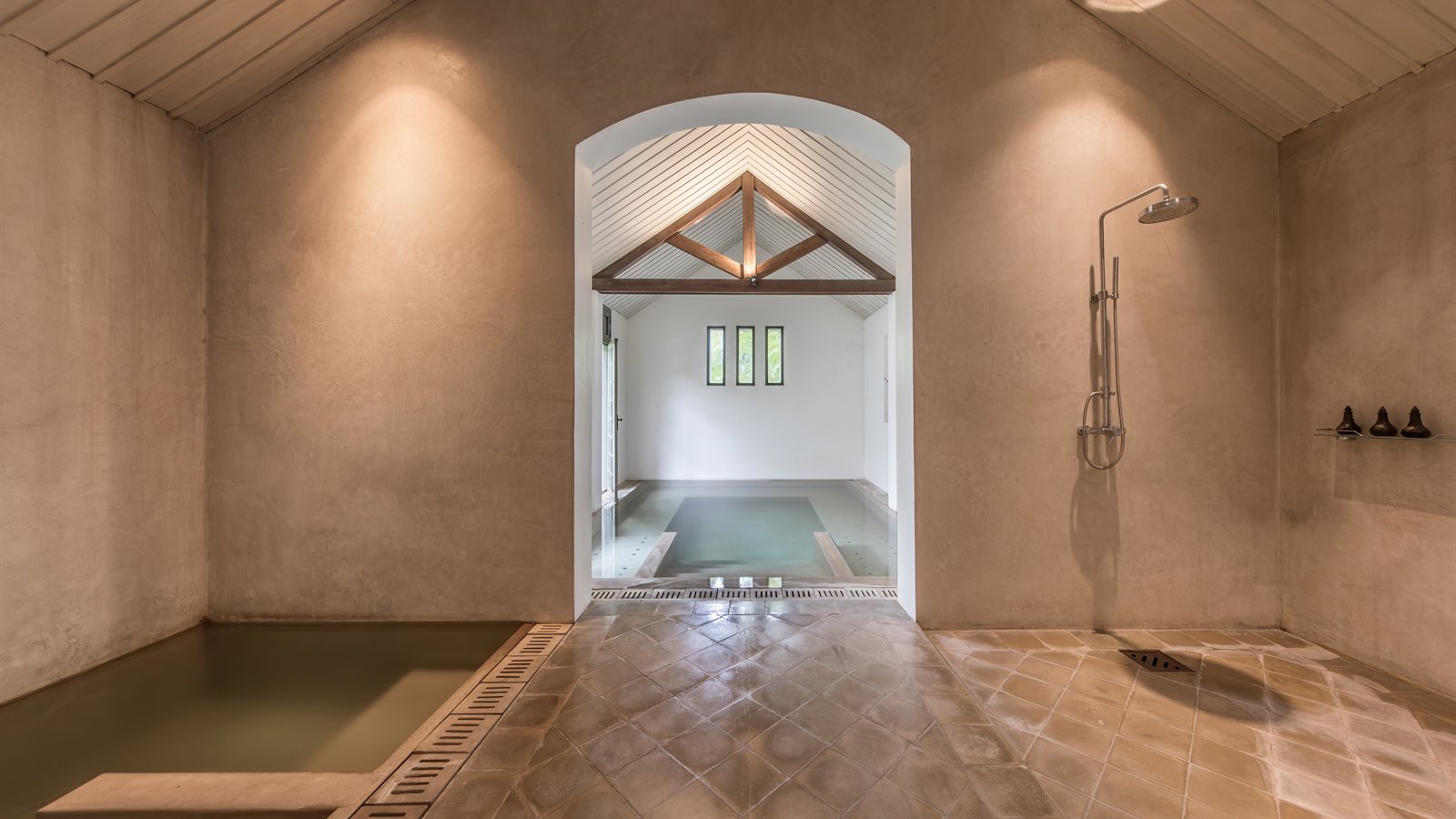
Quiet indoor pool with showers and daylight

Thirty-Three Degrees, Not Twenty-Six

Seven degrees is the difference between an exercise pool and a therapeutic one. At thirty-three, muscles stop guarding, arthritic joints move noticeably further within ten minutes, circulation improves at the extremities and a body can stay still without shivering — which is what allows twenty minutes of floating work at the end of a class. Ordinary pools are kept cooler for lane swimmers and lifeguard comfort, which is precisely why so many people with pain try aquatic exercise once and never return.

Weightless Enough to Move Freely

Chest-deep water removes roughly seventy per cent of body weight, so knees, hips and spines that hurt within two minutes of a land class can work for forty. The same water provides resistance in every direction, which strengthens without loading, and it catches you when balance fails — so people who are frightened of falling will attempt things they would never try standing on a mat. That combination is why post-operative and post-injury clients progress faster here than on land.

You Do Not Need to Swim

Every class is held in water shallow enough to stand in, and about a third of our members cannot swim at all. Floats, noodles, belts and wall bars provide support, teachers are in the water beside participants rather than instructing from the side, and nobody's face has to go under at any point. Non-swimmers are told this plainly before booking, and the first session is spent simply becoming comfortable rather than following a sequence.

Breathing Becomes the Point

Water pressure on the chest makes the exhale slightly harder and the inhale slightly deeper, which turns breath work from an abstract instruction into something physically obvious. Combined with warmth and the absence of visual distraction when floating with the ears submerged, it produces a state most people find far easier to reach than in a quiet room. Our meditation sessions rely on this rather than on any particular tradition or terminology.

Twelve People, Two Teachers

Classes are capped at twelve with a second teacher present whenever there are participants with significant limitations, so adaptations happen individually rather than being announced to the room. Everyone's history is known: which shoulder does not lift, which hip was replaced, who is pregnant, who becomes anxious with their ears underwater. New participants have a short conversation before their first class, and adjustments are prepared in advance rather than invented mid-session.

Getting In and Out Made Easy

For many of our members the hardest part of a pool is the changing room and the ladder. Both pools have wide steps with handrails on both sides, a hoist, a level shallow end and a rail all the way round. Changing rooms are warm, private and step-free, with benches at a height that suits a stiff hip, and there is somewhere to sit and drink tea afterwards. These are the details that determine whether somebody comes back in February.

Still water reflecting soft coloured light

Services

Classes and Sessions

Aqua yoga, floating meditation, pregnancy and post-natal, rehabilitation, one-to-one work and pool hire.

Aqua Yoga

Forty-five minute classes combining standing sequences at the wall, supported movement in mid-water, gentle strengthening against resistance and a floating relaxation at the end. Three levels run through the week — a very gentle class, a general class and a stronger one with more resistance work — and participants move between them freely. All equipment is provided, and the timetable includes early morning, lunchtime and evening slots.

Floating Meditation

Sixty minutes of supported floating with the ears submerged, using head and leg floats so no effort is required to stay at the surface, guided lightly and then left in silence. Lighting is lowered and the pool is closed to other users. Sessions run three evenings a week and on Sunday mornings, and are booked individually rather than as a course, because most people arrive when they need one rather than on a schedule.

Pregnancy and Post-Natal

Classes for every stage of pregnancy where the water takes the weight entirely, taught by a teacher with a specialist qualification and in contact with local midwives. Content covers pelvic floor work, positions for late pregnancy, breathing for labour and simply the relief of being weightless in the third trimester. Post-natal classes accept babies from six weeks with a carer, and the pool temperature suits them without adjustment.

Rehabilitation and Referred Clients

Small-group and individual work for people recovering from joint replacement, back surgery, stroke, fractures and long illness, delivered by our physiotherapist and coordinated with the referring clinician where there is one. Programmes are written, progressed and documented, and reports go back to the referrer. Many participants move into the general classes once they no longer need individual attention, which is the outcome we aim for.

One-to-One and Aquatic Bodywork

Private sessions for people who are anxious in groups, have complex limitations or want to work on something specific, and passive aquatic bodywork in which the participant is floated, cradled and gently moved by the practitioner for an hour. The latter is deeply relaxing and unlike anything available on land; it is booked individually, in a closed pool, and is the session most often bought as a gift.

Pool Hire and Teacher Training

The smaller pool can be hired by other practitioners — physiotherapists, swimming teachers working with anxious adults, baby swimming groups — at an hourly rate including equipment and changing facilities. We also run a certified aqua yoga teacher training twice a year for yoga teachers and aquatic instructors, covering the physiology of warm water immersion, adaptation for common conditions, and safe class management.
Contacts

Trials, Timetable and Referrals

Tell us what your body is currently doing and what you would like to be able to do. The first class is free, and it will be chosen to suit you rather than whichever session happens to be next. Non-swimmers, people who have not exercised for years and anyone who is nervous about water are exactly who we are set up for.

Clinicians referring patients, and practitioners wanting to hire the pool, should use the same address.

Studio7 Boulevard Victor Hugo, 06000 Nice, France
Phone+33 4 93 82 16 47
OpeningMonday–Saturday 07:00–21:00, Sunday 08:00–14:00